SINGAPORE INDUSTRIAL PROPERTY INTELLIGENCEFit before
Fit before
price.
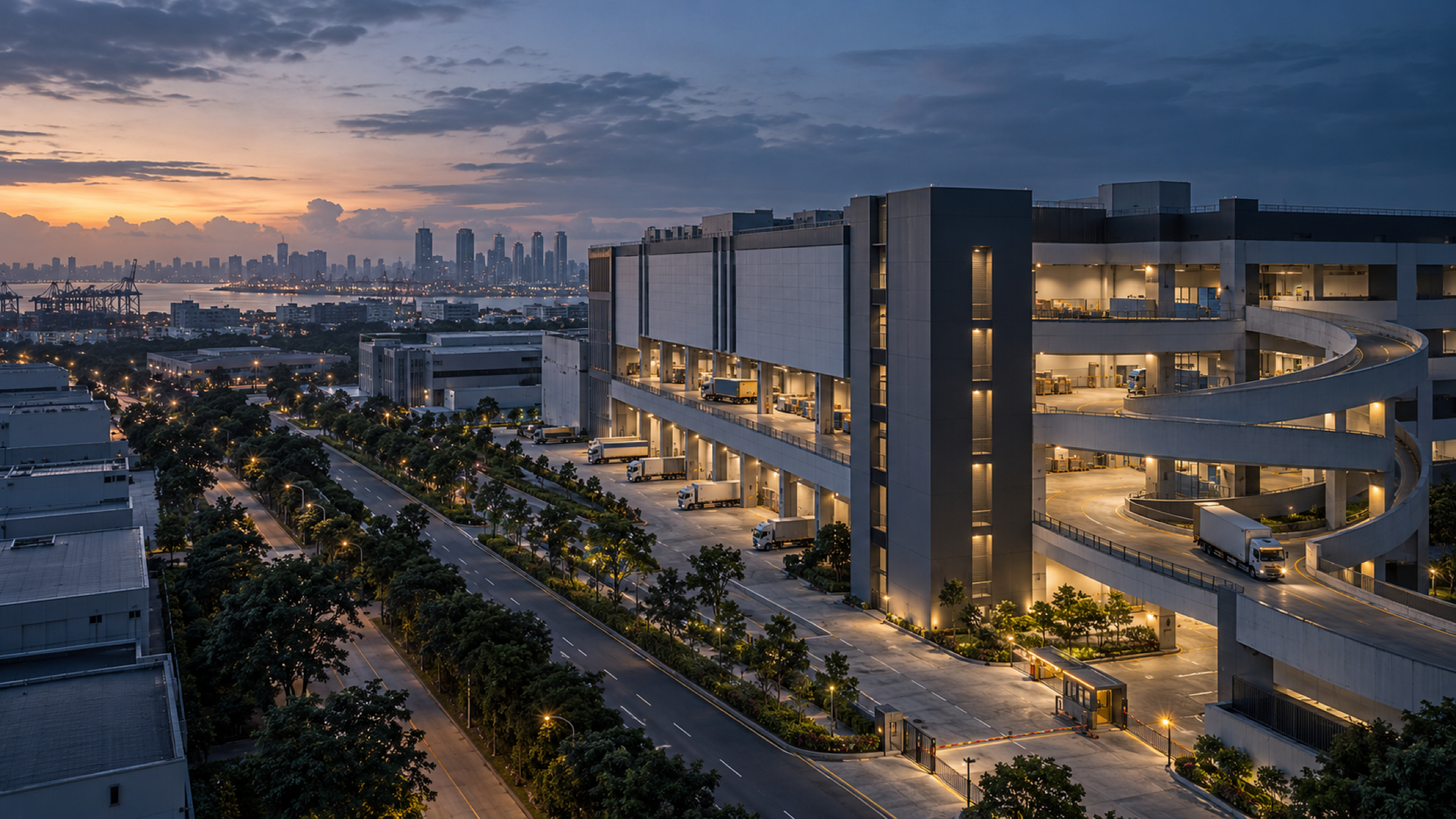
The right industrial property has to satisfy the operation, the regulator and the balance sheet. We help you test all three.
OPERATIONS · PROPERTY · CAPITAL
Industrial property begins with what the space must allow.
A lower price per square foot means little if the trade is not permitted, the floor cannot carry the load or the lease cannot support the financing.
2Q 2026 MARKET PULSE113.8Price index+0.6% QoQ 113.8Rental index+0.5% QoQ 89.1%OccupancyDerived from official stock data Read the market properly ↗
Prices and rents have reached the same index level.
Both JTC’s all-industrial price and rental indices stood at 113.8 in 2Q 2026. The paths are different. The decision still depends on segment, remaining tenure and operating fit.
Price indexRental index4Q12 = 100
1Q242Q243Q244Q241Q252Q253Q254Q251Q262Q26
Source: JTC Corporation via data.gov.sg. Latest available: 2Q 2026.
THE INDUSTRIAL UNIVERSE
Four labels. Very different operating realities.
Use class is only the beginning. Every shortlist must be tested against the actual activity and building specification.
B1
Clean & light industry
For qualifying clean or light production, assembly, software development, selected e-business and supporting industrial activity.
- Permitted trade
- Power provision
- Floor loading
- Ancillary-office quantum
General industry
For operations with greater environmental impact, heavier production requirements or activities that need wider nuisance buffers.
- NEA clearance
- Buffer requirements
- Heavy access
- Process requirements
Warehouse & logistics
Where clear height, loading access, turning radius and last-mile geography matter more than a polished frontage.
- Clear height
- Dock or ramp access
- Column grid
- Vehicle circulation
Business park
For non-pollutive, knowledge-intensive and high-value operations that need a campus environment rather than a conventional office.
- Activity eligibility
- Staff intensity
- Fit-out
- Transport access
THE 60:40 REALITY
The office supports the operation. It does not replace it.
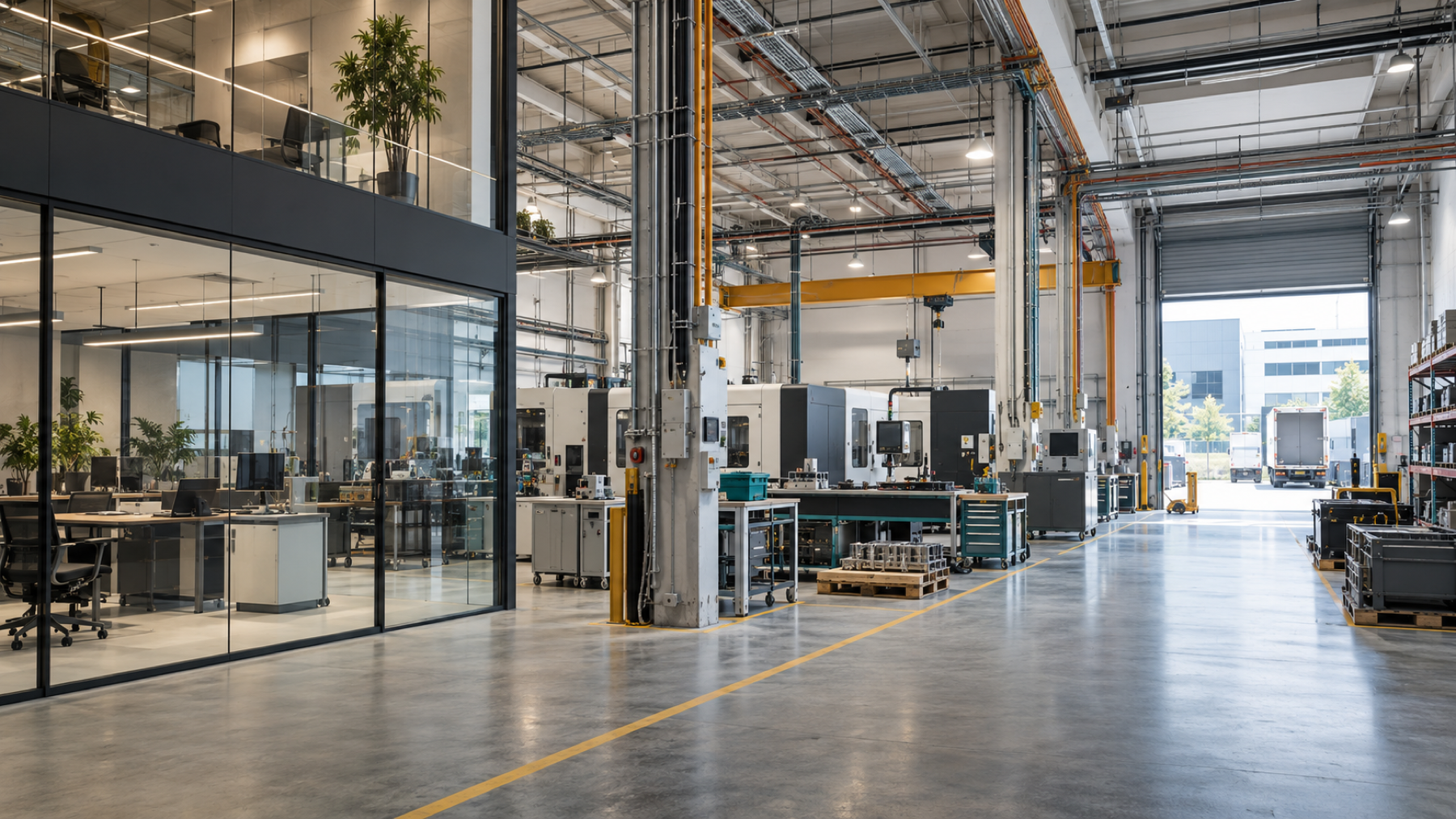
In many B1 developments, at least 60% of gross floor area must remain in qualifying industrial use. A beautiful office fit-out does not make a non-compliant activity permissible.
Understand use quantum ↗THE FIT PROTOCOL
Six gates before a unit becomes a serious option.
Use
Is the actual business activity permitted, not merely the company’s broad industry label?
Building
Do floor loading, ceiling height, power, ventilation and fire provisions support the operation?
Movement
Can staff, forklifts, vans and heavy vehicles arrive, turn, load and leave without friction?
Lease
How much tenure remains, and what does that do to financing, depreciation and the eventual buyer pool?
Numbers
Does the full acquisition or occupation cost still work after BSD, GST, fit-out and recurring charges?
Exit
Who is the next compliant occupier or buyer if the current operating plan changes?
INDUSTRIAL DECISION LAB
Model the complete entry cost.
Estimate non-residential BSD, optional GST, financing, fit-out and the rent needed to support a target yield.
Open the calculators ↗Purchase priceS$2,400,000
Buyer’s Stamp DutyS$84,600
GST if applicableS$216,000
Fit-out allowanceS$240,000
THE BUILDING IS PART OF THE BUSINESS
Clear height, loading and access shape revenue.
Industrial space is productive infrastructure. Door dimensions, vehicle movement, floor loading and column grids can improve throughput or quietly constrain it for years.
Compare operating formats ↗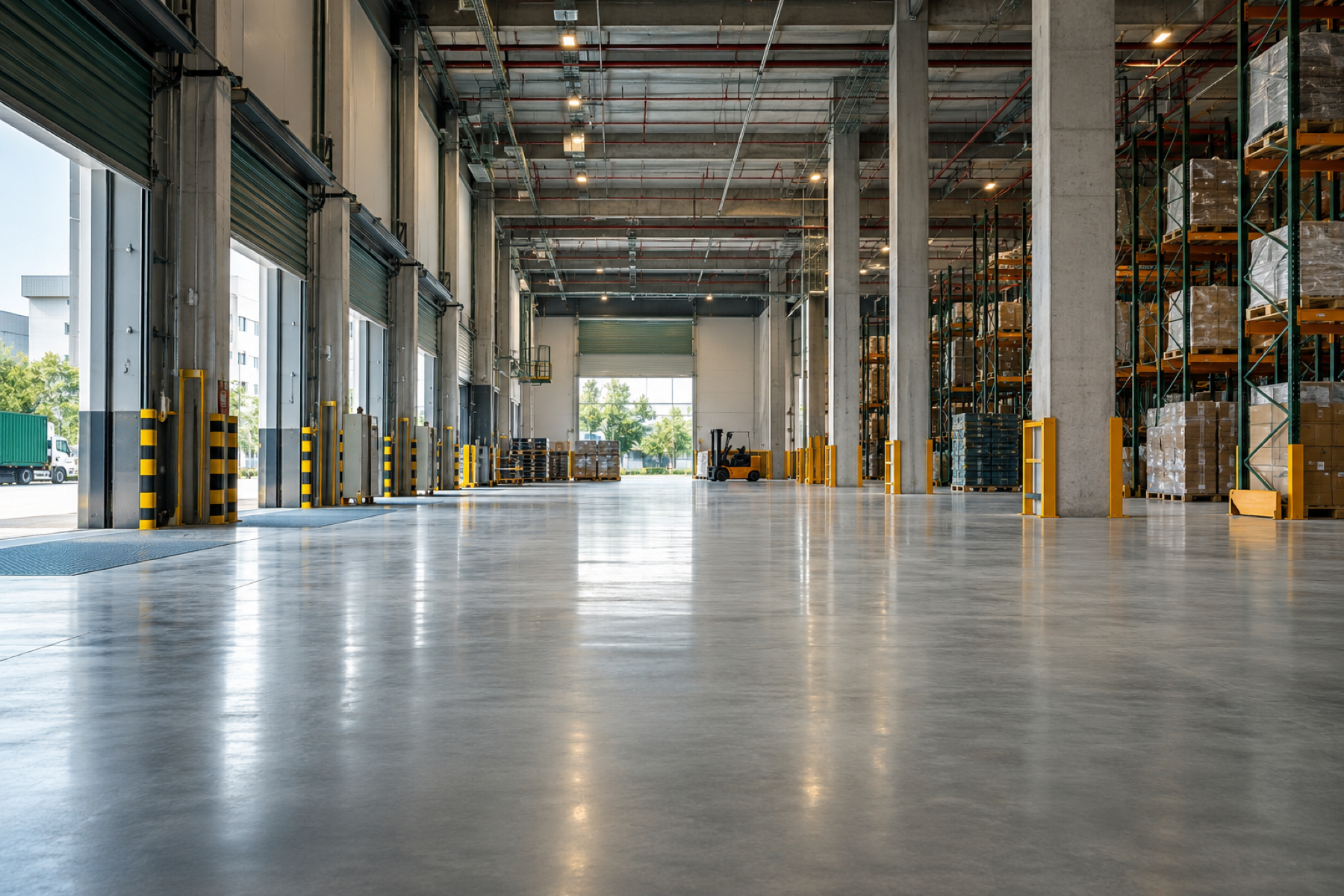
CONSULTANT RESEARCH LAYERPublic education outside.
Public education outside.
Live deal evidence inside.
The consultant view can combine current availability, asking prices, recent caveats, rental evidence, building specifications and permitted-use checks around a real requirement.
PRIVATE WORKSPACE
Live availability
Transaction comparables
Rental evidence
Technical fit matrix
Remaining-lease review
Request access ↗Questions worth resolving early.
All research ↗PRIVATE INDUSTRIAL BRIEF
Bring the operation before the shortlist.
Tell us the activity, space, location and technical requirements. We’ll help frame the search around permitted use, operational fit and the full cost of occupation.
Build my requirement brief ↗